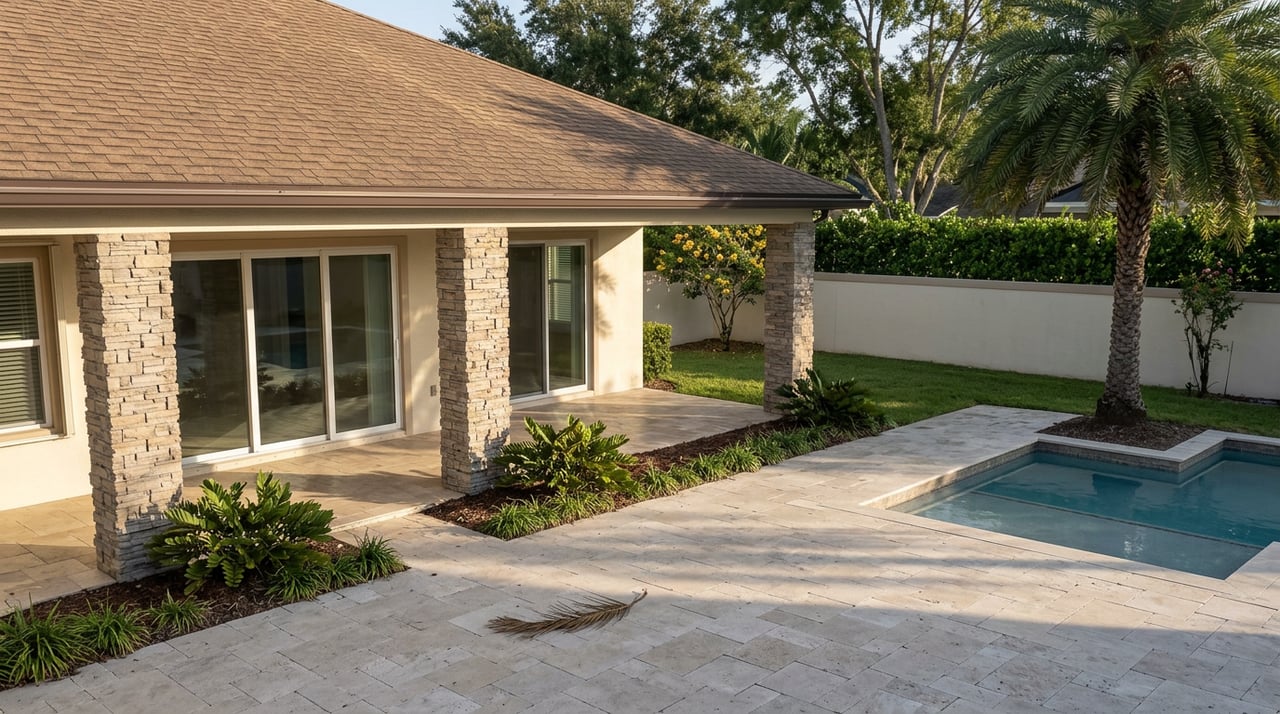
Jupiter Island Real Estate Closings: Why Jurisdiction Matters
September 10, 2026
September 10, 2026
A buyer under contract on the Intracoastal side of Jupiter Island gets good news first. The home inspection comes back clean. The roof is recent, the seawall looks sound, the dock has clearly been maintained. Then, midway through the inspection period, someone asks a simple question: is the dock actually permitted, and if a lift or a repair is needed down the road, who signs off on it?
That question doesn't get answered by pulling the seller's file. It gets answered by figuring out which building department has jurisdiction over that specific lot, because on Jupiter Island the answer isn't as obvious as the listing address suggests.
Jupiter Island reads like one name on a for sale sign. It is not one government. A parcel there can fall under the Town of Jupiter Island, under unincorporated Martin County, or under Jupiter Inlet Colony, a separate incorporated town that sits at the island's southern tip. Each runs its own building department, its own permitting portal, and its own phone line. None of that shows up on a listing sheet, and it's the single detail most likely to slow a closing that otherwise looks straightforward.
The Town of Jupiter Island governs the central and northern stretch of the barrier island, which sits in Martin County. A small southern section falls outside the Town's limits and answers to unincorporated Martin County directly. Jupiter Inlet Colony, a compact community of roughly 300 homes at the island's southern tip near the inlet, is its own incorporated municipality with its own covenants and its own building rules.
That's three jurisdictions on one narrow stretch of land, and a fourth name adds to the confusion: the Town of Jupiter, the mainland town across the water, is a completely separate government from the Town of Jupiter Island. Buyers researching permit history online sometimes land on the mainland Town of Jupiter's building department by mistake, simply because the names are so close. It's an easy mistake to make and an expensive one to carry into a contract, since the permit records, inspection schedules, and code requirements don't transfer between the two.
Here's the plain breakdown:
| Jurisdiction | What It Covers | Building Department |
|---|---|---|
| Town of Jupiter Island | Central and northern barrier island (Martin County) | Town Hall, 2 Bridge Road, Hobe Sound |
| Unincorporated Martin County | Small southern section outside Town limits | Martin County Building Department |
| Jupiter Inlet Colony | Southern tip of the island, separate incorporated town | Jupiter Inlet Colony Building Department |
Knowing which box a property falls into before writing an offer tells you who has final say on renovation approvals, who holds the permit history on file, and who you're calling if a question comes up mid-inspection instead of guessing and losing a day or two of a tight window.
The Town of Jupiter Island's own building department handles six functions: zoning, permitting, plan review, inspections, contractor licensing, and code enforcement. Its permits are valid for 18 months from issuance, and a permit is considered suspended or abandoned if the work doesn't pass an inspection within 180 days. That detail matters more to a buyer than it sounds, because an open or lapsed permit from a prior owner's project is worth checking before closing.
This is where the jurisdiction question comes back around. A permit pulled under Town of Jupiter Island rules is not the same file, not the same inspector, and not the same renewal clock as one pulled under unincorporated Martin County or under Jupiter Inlet Colony. If a seller's disclosure mentions an addition, a dock repair, or a seawall project, the first useful question isn't when it was done. It's which building department has the file, because that determines whether it's closed out, still open, or quietly lapsed.
Waterfront closings anywhere in this part of Florida carry a layer of due diligence that inland homes don't. A roof or an HVAC system is inspectable in an afternoon. A dock or a seawall is a different kind of question entirely, because what looks finished on a walkthrough can still be missing part of its permit history.
There's a second layer specific to raw shoreline properties on the Martin County side of the island. Confirming who holds title to the submerged parcel is a five-minute records check that most buyers never think to run until it's already an issue.
A standard Florida residential contract carries default timelines, and buyers on Jupiter Island often negotiate shorter ones, which makes sense in a market where speed and certainty are part of how offers compete.
The Town of Jupiter Island updates its code more actively than a quiet barrier island might suggest. As of November 1, 2025, the Town prohibits gas-powered leaf blowers on residentially zoned property, while continued use remains permitted on land zoned for recreation and conservation. It's a small ordinance, but it's evidence of something buyers should factor in: whatever a buyer read about Town rules a year ago may already be out of date, and the safest assumption is that it's worth confirming current code with the Building Department directly rather than relying on older research.
None of this replaces a title search, a survey, or a licensed inspector's report. It's the short list of questions that determines whether those steps go smoothly or turn up something that should have been asked about on day one.
Does buying off-market change any of this? Jupiter Island's limited inventory means some opportunities are discussed quietly before they reach a broad audience. That changes how a deal starts, not what it requires. Public records, permit history, and title work still apply the same way regardless of how discreetly a listing was shared.
Is Jupiter Island the same jurisdiction as the Town of Jupiter? No. They are separate governments with separate building departments, and the similarity in name is the most common source of confusion for buyers doing their own research.
Does the leaf blower ordinance affect anything beyond landscaping crews? Directly, it governs equipment used on residentially zoned property. Indirectly, it's a useful signal that the Town actively revises its code, which is a reason to confirm current rules rather than rely on older research when planning any exterior work.
Jupiter Island rewards buyers who ask the right questions before they're under contract, not after. If you're weighing an offer on the island, or trying to understand what a specific parcel's jurisdiction means for your timeline, Brad Westover can walk through the permit history and closing mechanics with you before you write the offer, not after you're already counting down the inspection period. Request Your Personalized Home Valuation to start that conversation.
This article is general information, not legal, tax or financial advice. Consult a qualified professional about your situation.
Stay up to date on the latest real estate trends.



Real estate success starts with the right broker. Whether you're buying, selling, or investing, Brad Westover offers expert guidance, market insight, and a strategic approach. Let’s achieve your goals. Connect today!
GET IN TOUCH WITH BRAD TO LEARN MORE