Boating Communities in Palm Beach Gardens: Quick Guide
December 4, 2025
December 4, 2025
Thinking about a Palm Beach Gardens home where you can keep the boat close and be on the Intracoastal in minutes? You are not alone. Second‑home and move‑up buyers often start with the view, then discover how much dockage, HOA rules, and permits can shape daily boating life. This quick guide gives you the essentials so you can compare communities with confidence and avoid costly surprises. Let’s dive in.
Palm Beach Gardens sits along canals that connect to the Intracoastal Waterway, with routes north toward Jupiter and south toward Riviera Beach. Many nearby amenities, fuel, and haul‑out services sit just outside city limits in North Palm Beach, Juno Beach, Jupiter, and Riviera Beach. Ocean access commonly uses Jupiter Inlet, so you should plan around tides, bridge clearances, and local inlet conditions.
Tides here are moderate, but timing still affects shallow canals and low‑water maneuvering. Check local tide windows and current before runs via the official NOAA tides and currents portal. For navigation planning on the federal ICW, consult U.S. Army Corps of Engineers navigation resources.
Hurricane season runs June 1 to November 30, which can impact insurance, mooring plans, and haul‑out availability. For operating rules, registration, and safety gear, the Florida Fish and Wildlife Commission’s boating pages are your baseline reference.
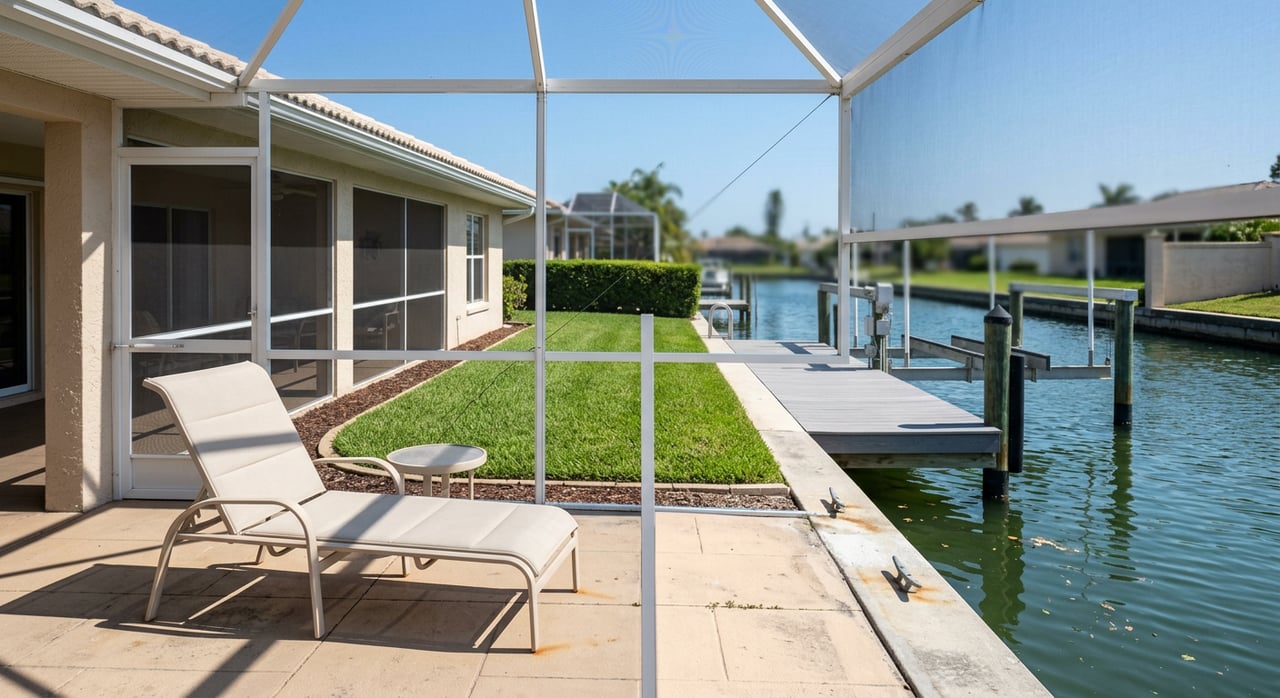
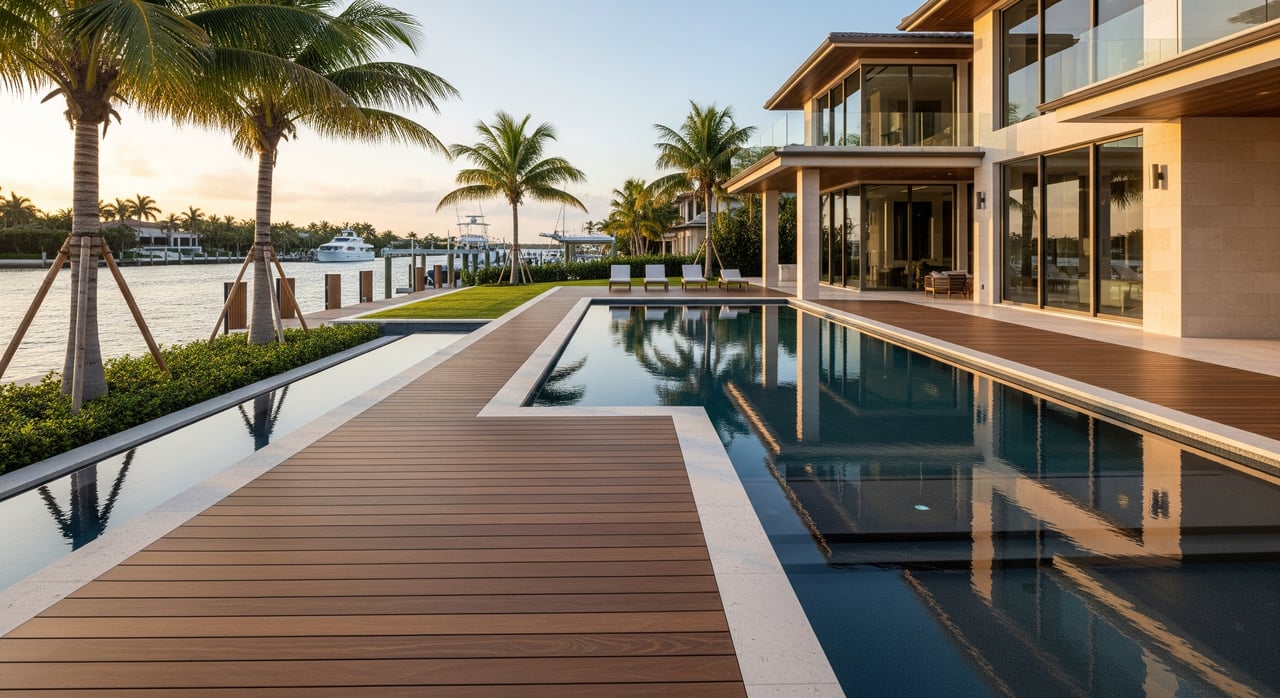
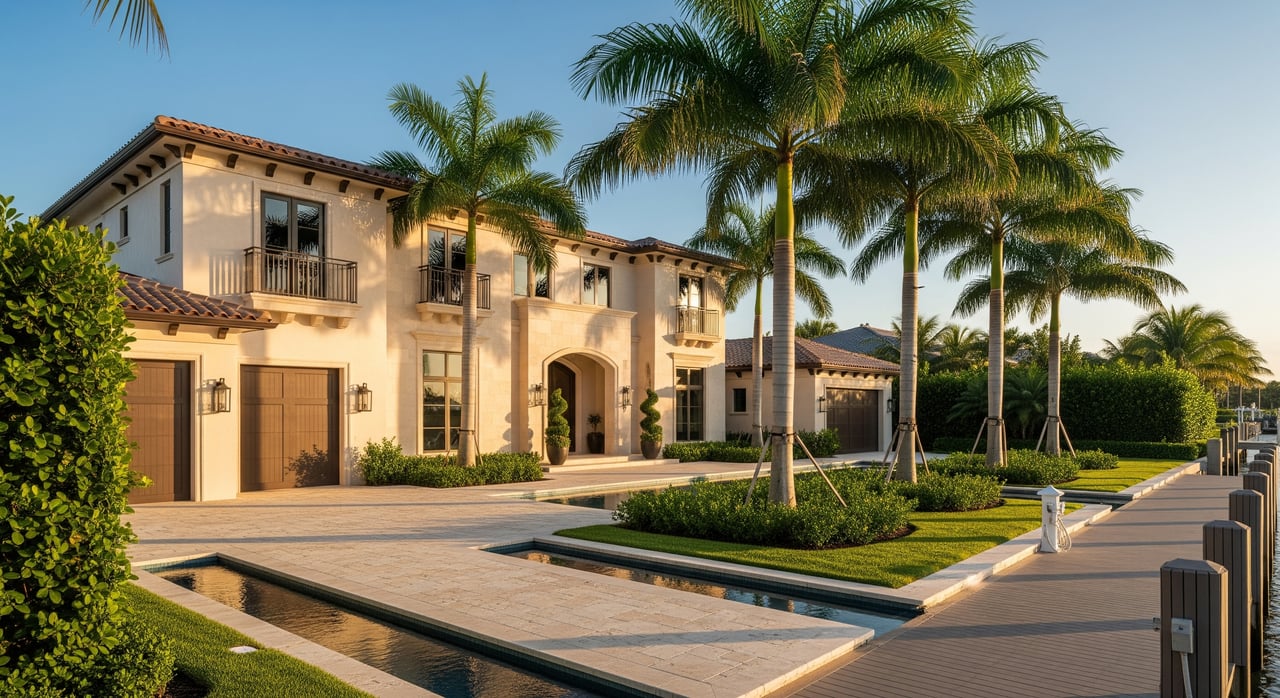
These homes usually offer private docks, lifts, and seawalls on lots that back to navigable canals. Focus on canal width and depth, turning room, and linear frontage for your boat’s LOA and beam. Proximity to the ICW and any history of shoaling or dredging will affect run times and maintenance.
In canal neighborhoods, HOAs often set dock standards, coordinate seawall repair, and manage dredging schedules. Not all canals are equal in depth and width, so boat size and draft matter. Ask about past dredging, assessment history, and low‑tide depths at the dock.
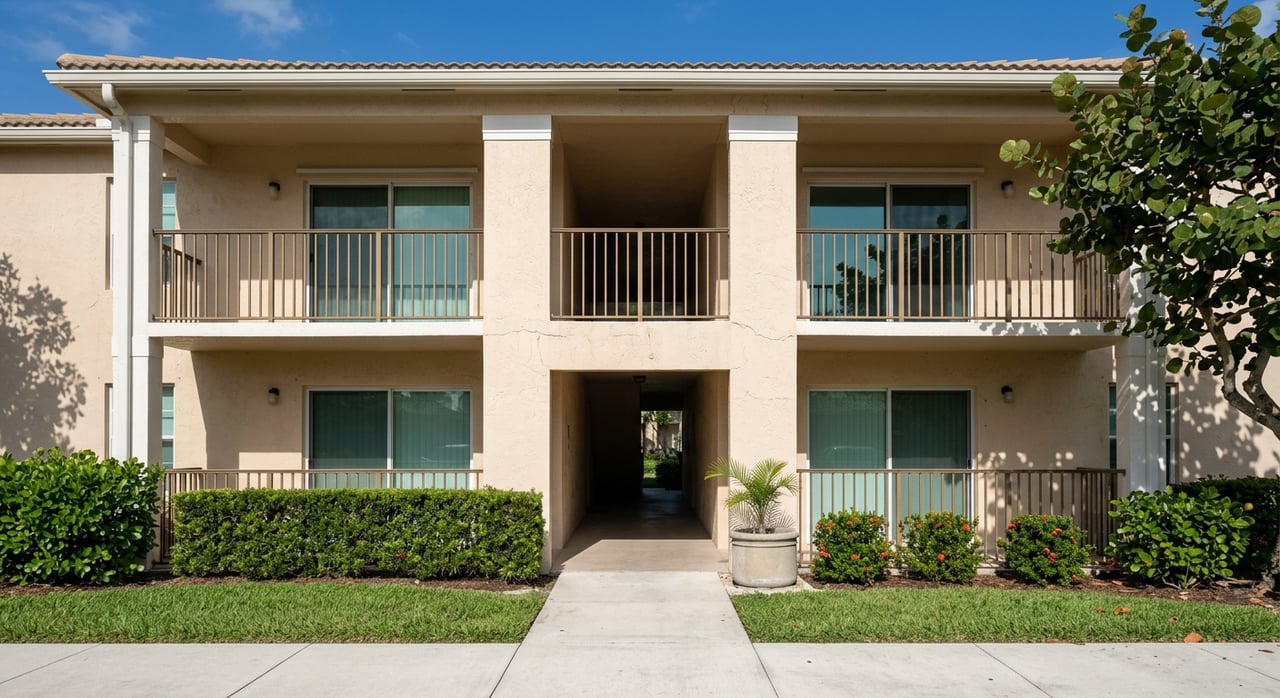
Condo marinas range from deeded slips to assigned or leased spaces with waitlists. Learn whether the slip transfers with the sale, the maximum boat size, available shore power, and lift rules. Budget for slip fees, utilities, and possible capital assessments for seawall or dredging projects.
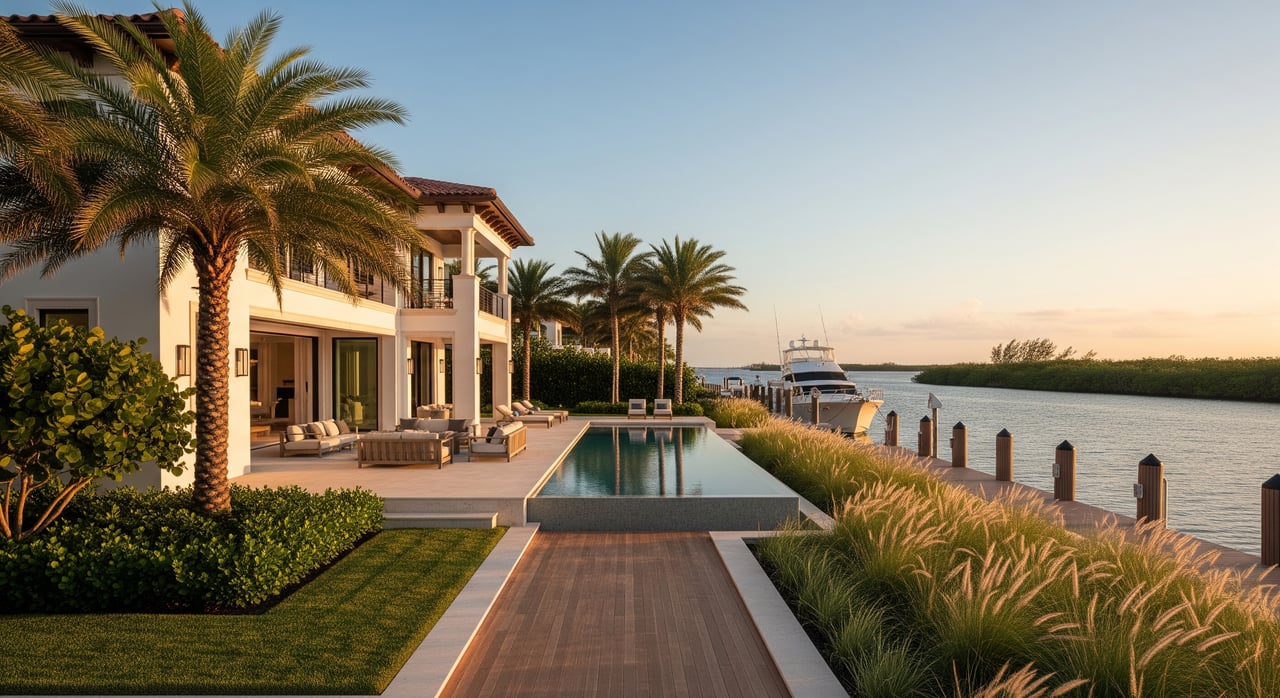
Some gated developments in the area or neighboring towns offer on‑site marinas, dry storage, and service amenities. Rules are usually more restrictive, with clear guest policies and vessel type limits. Confirm membership requirements and slip assignment before you rely on that marina for your boat.
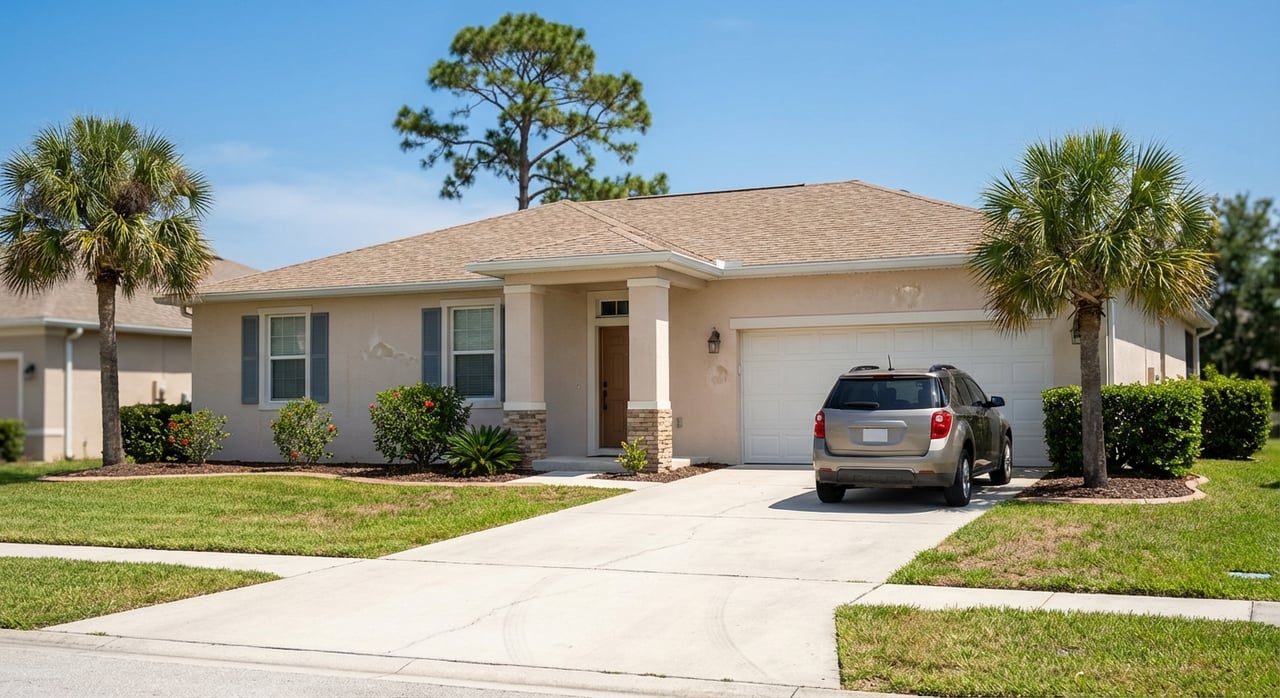
If you prefer to haul out for storms or maintenance, dry‑stack and full‑service yards nearby can be a smart pairing with a non‑dockfront home. Ask about haul‑out capacity and seasonal storage. Availability tightens during hurricane season and peak winter months, so plan early.
Public ramps, county facilities, and commercial marinas are scattered across adjacent municipalities. You will find fuel, pump‑outs, and boatyards within a short drive or run from most Palm Beach Gardens addresses. For route planning and chart updates, use official NOAA nautical chart tools, and review manatee zones and no‑wake areas through FWC’s boating guidance.
Use this quick list when touring homes or evaluating a condo slip:
Slip ownership models drive value and access. Deeded slips are rare but straightforward. Assigned or leased slips can be revocable, non‑transferable, or subject to waitlists. Confirm transfer rules in the CC&Rs before you make an offer.
Look for maximum boat size limits, vessel types allowed, cover and canvas standards, dock box rules, and guest slip policies. Review the slip fee schedule, reserves, and any history of special assessments for dredging or seawalls. Many HOAs require boat liability insurance naming the association as additional insured, with coverage minimums spelled out in policy rules.
New docks, lifts, seawall work, or dredging often require permits at the city, county, state, and sometimes federal level. Start with City of Palm Beach Gardens building requirements and the county’s shoreline rules. See the City’s Building Department and county guidance from Palm Beach County ERM.
State environmental permits are typically handled through the Florida Department of Environmental Protection. Depending on scope, U.S. Army Corps approvals can apply for work in navigable waters along the ICW; consult USACE navigation guidance. Expect routine repairs to be quicker than replacements or expansions, which can take months.
For flood risk, insurance, and elevation considerations, review the official FEMA Flood Map Service Center. For routes and tides, rely on NOAA charts and tide tools and confirm local bridge operations before each run.
Your best boating home decision pairs the right canal or marina access with clear HOA rules, sound dockage, and a practical plan for tides and storms. If you want a curated shortlist and help coordinating inspections, permits, and marina logistics, connect with Brad Westover. Request Your Personalized Home Valuation or ask for a private tour plan tailored to your boat and lifestyle.
Stay up to date on the latest real estate trends.
Real estate success starts with the right broker. Whether you're buying, selling, or investing, Brad Westover offers expert guidance, market insight, and a strategic approach. Let’s achieve your goals. Connect today!
GET IN TOUCH WITH BRAD TO LEARN MORE