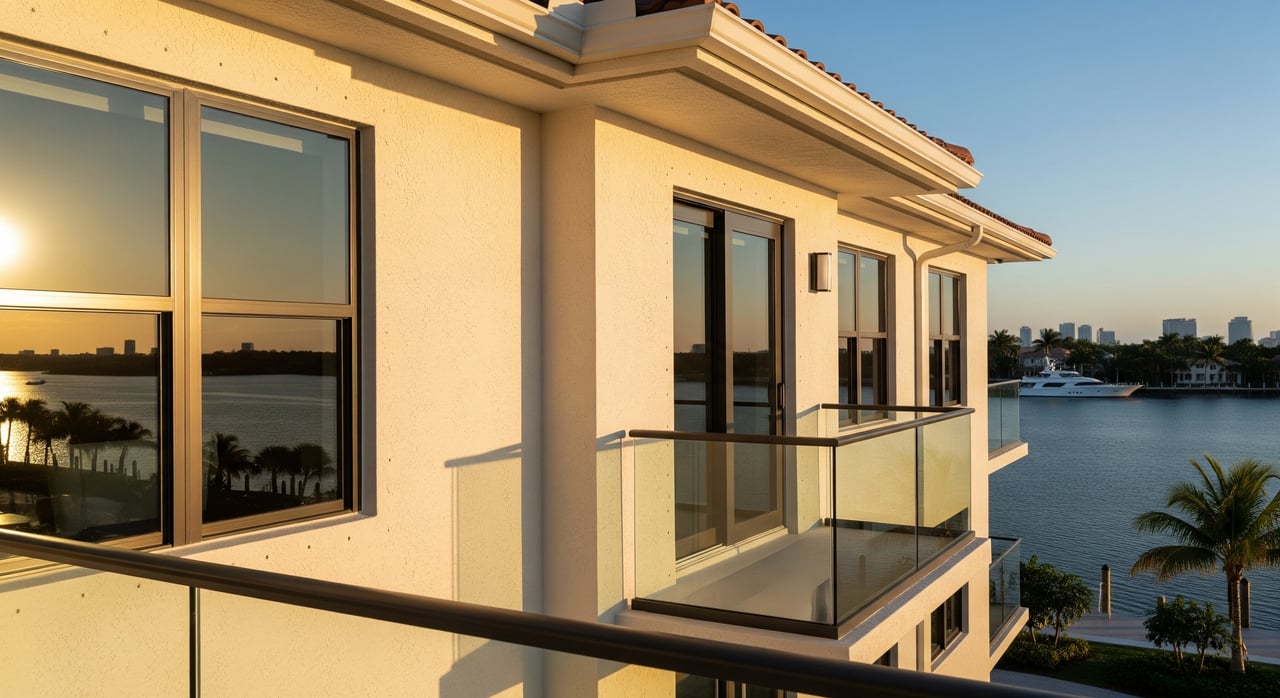
Stuart Condo Milestone Inspections: Buyer Essentials
December 18, 2025
December 18, 2025
Thinking about buying a condo in Stuart or along the Treasure Coast? You have probably heard about Florida’s new “milestone” inspections and how they can impact fees, assessments, and even loan approval. You want a beautiful coastal home, but you also want to avoid surprise costs and delays. This guide gives you clear steps to protect your budget, understand what to ask for, and compare buildings with confidence in Stuart and Martin County. Let’s dive in.
Florida adopted milestone inspections after the Surfside tragedy to ensure regular structural and electrical reviews in condominium and cooperative buildings. These inspections are performed by licensed professionals, usually a structural engineer or architect, following standards in state law. The report identifies major deferred maintenance, structural deterioration, safety concerns, likely repair scope and cost, and recommended timelines.
You can read more about the law in the Florida Condominium Act, Chapter 718. For practical guidance and required filings, check the Florida DBPR Division of Condominiums. Associations must obtain the inspection, make the report available to owners, and plan for repairs and reserves.
Milestone inspections apply to many multi‑story condominium and cooperative buildings that meet statutory definitions. Many coastal buildings in Florida fit this profile due to age and height. Local governments can add requirements, so you should also check county and city programs in addition to state rules.
If you are looking in Stuart or greater Martin County, verify local procedures with the Martin County Building Department. You can also ask the City of Stuart’s building and code divisions if the property sits within city limits. The goal is simple: confirm whether the building is required to inspect, when it must do so, and how results are being handled.
Under Florida’s framework, buildings undergo an initial milestone inspection at a specified age, then repeat on a set cycle, commonly every 10 years. Deadlines can evolve as state rules update and local ordinances change. The safest approach is to verify exact timing for the building you are considering.
Ask the association to confirm the inspection status and year, and request copies of any DBPR filings. When in doubt, review the DBPR’s guidance for associations and the statute language in Chapter 718.
Milestone findings often identify major capital projects like concrete restoration, waterproofing, roof replacement, balcony repairs, and structural steel work. Associations can pay for this work using existing reserves, higher monthly assessments, a special assessment, an association loan, or a mix of these options. That mix matters to you because it affects cash due at closing, your monthly budget, and the building’s long‑term health.
Lenders and insurers may factor milestone results into their decisions. Large assessments or very low reserves can complicate loan approval for some programs. Rising wind and flood insurance costs in Florida also put pressure on association budgets, so take time to review the master policy’s coverage limits, deductibles, and division of responsibility between the association and unit owners.
Before you submit an offer, request and review these items:
Use these questions to clarify risk, costs, and timing:
Watch for issues that can signal higher risk or near‑term costs:
Coastal Martin County buildings face salt‑air corrosion, moisture intrusion, wind exposure, and hurricane events. These conditions can speed up structural wear and commonly show up in inspection findings. Many waterfront condos sit in FEMA flood zones, so it is smart to review FIRMs and, when available, elevation certificates for units or buildings. You can look up flood zones using the FEMA Flood Map Service Center.
South Florida has high demand for concrete restoration and roofing contractors, which can mean longer timelines and higher bids. Build a realistic schedule into your plans, especially if the association is still bidding or permitting major work. When comparing buildings, proximity to open water, wind exposure, and flood zone should be part of your evaluation along with the finances.
When you are deciding between buildings in Stuart or the wider West Palm Beach–Boca Raton–Delray Beach metro area, compare:
For added context on governance and best practices, you can browse the Community Associations Institute for educational materials and check Florida Realtors for financing and condo eligibility guidance.
If a building has a clean, recent milestone report and a funded plan, you can move forward with confidence. If findings are significant, you can still pursue the property with eyes wide open by clarifying timelines, costs, and lender requirements. The key is to do the work up front so your closing and first year of ownership go smoothly.
If you want a local, senior‑level advisor to help evaluate reports, compare buildings, and coordinate with your lender, reach out to Brad Westover. Request Your Personalized Home Valuation or ask for a buyer due diligence review tailored to your shortlist.
Stay up to date on the latest real estate trends.
Real estate success starts with the right broker. Whether you're buying, selling, or investing, Brad Westover offers expert guidance, market insight, and a strategic approach. Let’s achieve your goals. Connect today!
GET IN TOUCH WITH BRAD TO LEARN MORE