Palm Beach winters bring more than mild breezes and a full social calendar. They also bring a surge of motivated buyers and tight inventory that can reshape how you time your next move. If you are weighing a seasonal purchase or planning to list a high-end property, it helps to understand how winter changes the rules. In this guide, you will learn what drives winter demand, how it affects pricing and negotiation, and the best timelines for buyers and sellers in Palm Beach. Let’s dive in.
Why winter demand surges
Winter draws a large wave of seasonal residents and second-home buyers to Palm Beach. Many come from colder states or abroad and prefer to search while they are in town. You also see high-end visitors cluster around signature events and venues that define the social season.
Lifestyle is a major magnet. The winter climate supports golf, boating, cultural events, and waterfront living that appeal to affluent buyers. Travel access adds fuel, with airport schedules and tourism infrastructure making it easy to arrive, tour homes, and close.
For you, this means more motivated eyeballs on quality listings and a more competitive field when a great property hits the market.
How winter shifts the market
Winter does not just add buyers. It changes how quickly homes move and how sellers negotiate.
- Inventory often tightens. Some owners pause listings during peak season or wait for ideal timing, which can shrink available choices in key price bands.
- Days on market tend to drop. Well-presented homes that are priced right can go under contract more quickly when buyer traffic spikes.
- Seller leverage increases. Multiple-offer scenarios are more common for desirable properties, and list-to-sale price ratios often improve for sellers.
- Impacts vary by price band. Entry and mid-market homes can move fastest because they speak to both local and seasonal buyers. Luxury and ultra-luxury can be more nuanced. Some trophy homes sell quickly in-season, while others benefit from longer visibility and discreet marketing.
- Cash plays bigger at the top. In luxury segments, all-cash or jumbo-financed buyers reduce risk for sellers and can win on clean terms.
Palm Beach submarkets to watch
Seasonality is not one-size-fits-all. Winter patterns differ between the Town of Palm Beach and other parts of Palm Beach County. It helps to clarify your target submarket before you set expectations.
Town of Palm Beach (island)
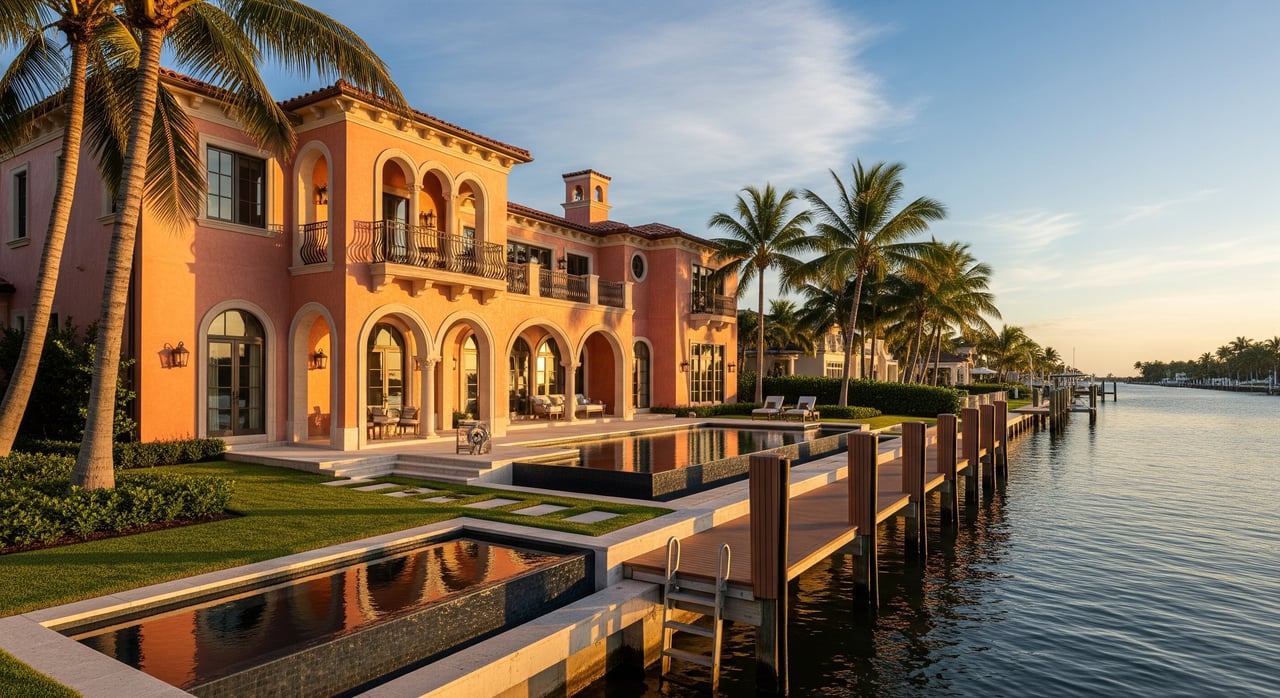
On the island you find luxury single-family estates and high-end condos. Winter brings more qualified showings, but inventory can be limited, especially for waterfront, Intracoastal, or pedigree addresses.
Wellington equestrian influence
From roughly January through April, the Winter Equestrian Festival draws horse-focused buyers who sometimes transact in adjacent markets. If you are targeting equestrian or estate properties, align tours with event windows for better access to motivated prospects and sellers.
Golf and gated communities nearby
Palm Beach Gardens and other gated or golf communities in the county often see seasonal demand spikes. Winter buyers value proximity to courses, club amenities, and move-in-ready condition.
Waterfront and boating corridors
Properties along boating routes and near marinas attract winter buyers who plan for seasonal use. Highlighting dockage, seawall condition, and access to ocean inlets can be decisive.
Should you buy in season or off-season?
There is no single best answer. Your timing depends on your goals, urgency, and property type.
- Why buy in season: Broader access to seasonal and off-market opportunities, more sellers actively showing, easier to tour in person, faster decisions when the right home appears.
- Why buy off-season: Fewer competing buyers, more time to negotiate, sellers may be open to credits, extended closings, or price adjustments in some neighborhoods.
- Best of both: Start scouting and financing in the fall, visit during early winter to act fast on new listings, or keep a watch list through spring and negotiate off-season if inventory opens up.
Buyer playbook for the winter season
Use this checklist to stay ahead of the curve.
- Secure financing early. Obtain a strong pre-approval or prepare proof of funds before you arrive. Jumbo financing is common at the top end, so work with a lender who understands seasonal income and quick-turn closings.
- Move fast on quality. Set your tolerance for inspection and contingency timelines in advance. Consider trimming nonessential contingencies only after you have proper counsel.
- Vet insurance and mitigation. Ask for wind and flood insurance quotes early. Review hurricane mitigation features and inspection findings so you can price risk into your offer.
- Confirm rental rules. Condo and HOA policies vary widely on seasonal leases and short-term rentals. Verify restrictions upfront to avoid surprises.
- Plan travel-aware logistics. If you are out-of-state, align showing dates with your visit and prepare for quick decisions. Set expectations for remote document execution and timing.
- Tailor offers to the season. In-season, lean on clean terms, strong deposits, and proof of funds. Off-season, emphasize inspection flexibility, credits, or longer closings to improve price.
Seller strategy for peak season
If you are selling, your goal is to be visible and compelling when buyers are in town and ready to act.
- List before the rush. Prepare in early fall and aim to go live between October and December so you are front and center for winter traffic.
- Price and present for action. Competitive pricing can draw multiple offers in-season. Stage to showcase lifestyle benefits such as outdoor living areas, privacy, and proximity to key winter activities.
- Elevate marketing. Use high-quality photography and video for out-of-state buyers. Schedule showings and open houses to align with event weekends and peak visitor windows.
- Set a clear response plan. With elevated activity, choose firm timelines for offer review and communicate expectations on deposits and proof of funds.
- Be transparent on rental potential. If seasonal rentals are allowed and relevant, share historical occupancy or restrictions. If they are not, highlight alternative value such as amenities or property condition.
Timing scenarios you can use
Here is a simple way to structure your plan around the season.
- Out-of-state buyer timeline: 3 to 6 months before your target purchase, study neighborhoods and line up financing. One to two months before your visit, narrow to a shortlist. Tour during winter and be ready to submit offers quickly.
- Luxury seller timeline: Two to three months before listing, complete repairs, staging, and photography. Go live in October through December to capture winter buyers.
Metrics that matter in season
You can make smarter decisions when you track a few key indicators by neighborhood and price band.
- Active listings and new listings per week to spot supply shifts.
- New pendings and the pending-to-new listing ratio to gauge demand.
- Median days on market to understand speed and urgency.
- List-to-sale price ratio to measure negotiation outcomes.
- Price per square foot and median sale price to see movement by segment.
- Months of inventory to assess whether conditions favor sellers or buyers.
- Share of cash purchases at the top end to anticipate competition.
- Seller concessions and price reductions to identify leverage.
Ask for weekly or monthly snapshots so you can adjust your strategy in real time.
Risk factors and how to manage them
Seasonal buyers should account for a few non-market variables that can affect cost and timing.
- Insurance costs and availability. Wind and flood policies influence affordability and should be quoted early in due diligence.
- HOA and condo rules. Rental restrictions, guest policies, and parking rules vary and may shape your usage or income plan.
- Property taxes and homestead. Seasonal buyers typically do not qualify for Florida homestead exemptions, which affects carrying cost compared to full-time residents.
- Closing logistics. If you will be out-of-state during parts of the process, plan for signatures, inspections, and walk-throughs with clear timelines.
Final thoughts
Winter can be an excellent window to act in Palm Beach if you know what to expect. Buyers benefit from seeing the full slate of seasonal inventory and off-market opportunities, but they should be ready to compete on well-priced homes. Sellers who prepare early, price with intention, and market the seasonal lifestyle can attract strong offers and clean terms.
If you want a senior-level plan that fits your price band and submarket, connect with a trusted local advisor. Brad Westover pairs two decades of Palm Beach experience with high-touch service for luxury sellers, second-home buyers, and investors. Request Your Personalized Home Valuation and get a winter strategy tailored to your goals.
FAQs
Do winter months change Palm Beach home prices?
- Yes. Winter brings more buyers and tighter inventory, which can shorten days on market and strengthen list-to-sale price ratios in many segments. The exact impact varies by neighborhood and price band.
Is it better to buy in Palm Beach during winter or summer?
- In winter you get more active listings and easier in-person tours, but competition rises. Off-season can offer more negotiation room in some areas. The right choice depends on your urgency and property type.
How do condo or HOA rental rules affect Palm Beach buyers?
- Rules vary by building and city. Short-term or seasonal rental limits can affect your ability to earn income, so verify policies early in your search.
How important is cash in Palm Beach luxury winter sales?
- Cash is common at the top end and often wins on speed and certainty. Financed offers can compete with strong terms and well-documented approvals.
What non-market risks should I plan for when buying in winter?
- Focus on insurance availability and cost, HOA restrictions, timing and travel logistics, and property tax considerations such as homestead eligibility. Obtain quotes and documents early to avoid delays.