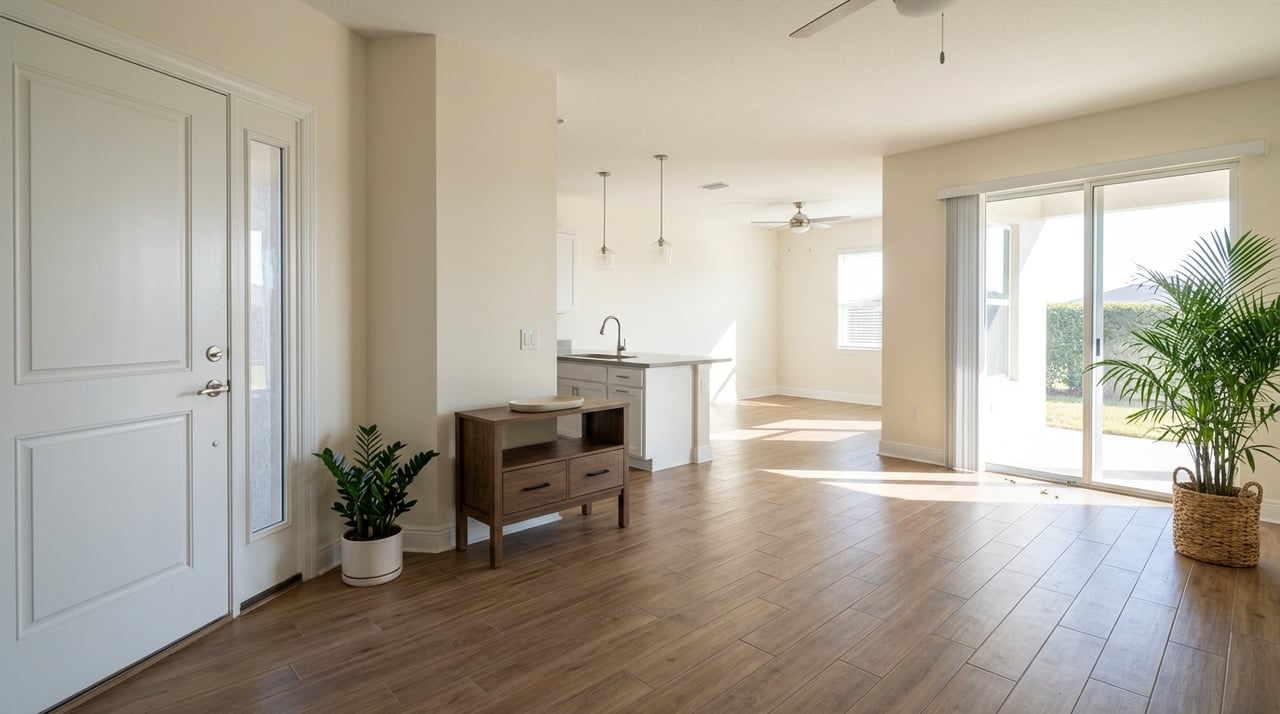
Property Tax Essentials For Jupiter Real Estate Investors
April 23, 2026
April 23, 2026
If you invest in Jupiter real estate, property taxes can shape your returns more than many buyers expect. A tax bill here is not just one simple rate applied to the purchase price, and relying on the seller’s current bill can lead to costly surprises after closing. This guide breaks down how Jupiter property taxes work, what investors should watch for, and how to underwrite more confidently before you buy. Let’s dive in.
In Palm Beach County, property taxes start with taxable value, not the contract price alone. According to the Florida Department of Revenue, the process begins with just value, then moves to assessed value, and finally to taxable value after any exemptions are applied.
That distinction matters because your tax bill is built in layers. The tax collector applies the parcel’s millage rate to taxable value, then adds any non-ad valorem assessments on top. One mill equals $1 for every $1,000 of taxable value.
A common mistake is assuming there is one standard Jupiter tax rate. In reality, a property’s bill depends on which taxing authorities and special districts apply to that specific parcel.
For example, the Palm Beach County 2025 final millage table shows Jupiter operating millage at 2.3894 mills. The same table also lists Palm Beach County operating at 4.5000 mills, school board levies at 3.2480 mills local plus 3.0730 mills state, Jupiter Fire/Rescue at 1.7251 mills, and the Jupiter Inlet District at 0.0722 mills.
Because district lines vary by parcel, two nearby properties can carry different tax burdens. The Palm Beach County Tax Collector makes this point clear: your actual bill depends on the exact parcel and the taxing districts tied to it.
Understanding three tax terms can help you read a tax record more clearly.
Just value is the market-value starting point for the property as of January 1. It is the number the county appraiser uses before caps or exemptions are considered.
Assessed value is the figure after any legal assessment limits are applied. This number may be lower than just value if a cap is in place.
Taxable value is the amount that remains after exemptions are subtracted from assessed value. This is the value used to calculate ad valorem taxes.
If you are buying an investment property, the prior owner’s bill may not reflect what you will pay. That is especially true when the seller benefited from homestead protections or when the property is reassessed after a sale.
The Palm Beach County Property Appraiser explains that homestead is available only when the property is the owner’s permanent residence as of January 1. Homestead can exempt up to $50,000 of assessed value and includes the Save Our Homes cap, which limits annual assessed-value increases to 3% or CPI, whichever is lower.
For most investors, that benefit does not transfer. If the seller had homestead and you buy as a non-owner-occupant, your future taxes may rise significantly even if the property itself has not changed.
Florida does offer a cap for non-homestead property, but it should not be treated as a guarantee of stable taxes. The county glossary summarizes the non-homestead cap at 10% annual assessed-value growth.
That sounds helpful, but there is an important catch. After a change in ownership or control, the property is generally reassessed at just value, and substantial additions or improvements can also trigger a just-value reassessment. In plain terms, the tax bill you inherit after closing can look very different from the one the seller paid.
If you want a more accurate pro forma, look beyond the seller’s latest tax bill. A better approach is to model taxes from the likely post-closing assessment picture.
Here are the main items to review before you close:
This approach aligns with guidance from the Florida Department of Revenue, which explains how taxable value and millage combine to produce the annual bill.
Not every charge on the annual bill is based on value. Some items are non-ad valorem assessments, which are added separately and can affect your carrying costs.
These charges vary by parcel and district, so they should be reviewed as part of your due diligence. When investors skip this step, they can understate annual holding costs even if their ad valorem estimate is correct.
If you plan to use the property as a short-term rental, there is another important cost to track. The Palm Beach County Tax Collector welcome guide states that accommodations rented for six months or less are subject to a 6% Tourist Development Tax on taxable rental receipts.
This is not property tax. It is a separate operating line item collected from the guest, so it should be treated differently in your cash flow planning.
Timing also matters when you buy. Property is assessed as of January 1, but tax bills are issued later in the year.
According to the Palm Beach County Tax Collector, TRIM notices are mailed in August and tax bills are mailed by November 1. Taxes are payable from November 1 through March 31, with early-payment discounts that step down from 4% in November to 0% in March. Taxes become delinquent on April 1.
For investors, this means your closing estimate should be tied to the assessment framework and parcel-specific taxes, not just a simple monthly proration based on the seller’s old bill.
After you buy, make sure your mailing address is correct with the Property Appraiser. The county notes that tax bills are mailed to the address on file, and owners should verify that address if a bill is not received.
That simple administrative step can help you avoid missed notices, late payments, and unnecessary penalties.
For investors, especially those looking at distressed or off-market opportunities, delinquent taxes deserve careful review. If taxes remain unpaid, Palm Beach County holds an annual tax certificate sale 60 days after delinquency or June 1, whichever is later.
If a certificate is not sold, it is struck to the county. County-held certificates earn 18% annual interest, or 1.5% per month, and if taxes remain unpaid for two years, the certificate holder may file a tax deed application. Tax deed sales are then conducted online by the Clerk & Comptroller on designated Wednesdays.
This is one area where experienced guidance can make a real difference. Open delinquencies, sold certificates, redemption issues, and looming tax deed risks can materially change the value and risk profile of a property before you ever close.
If you believe a property’s assessed value is incorrect, there are formal steps available. The Palm Beach County Property Appraiser says owners can request an informal review or file a petition with the Value Adjustment Board.
There is also a deadline. In Palm Beach County, the filing deadline is the 25th day after the TRIM notice is mailed, and discussing the matter informally does not extend that deadline.
The biggest takeaway is simple: do not treat Jupiter property taxes as a fixed percentage of the purchase price. Between parcel-specific millage, special districts, non-ad valorem assessments, reassessment rules, and potential delinquencies, the real tax picture is more nuanced.
If you are buying in Jupiter, careful tax review is part of smart due diligence. Working with an advisor who understands both the local market and the tax side of the transaction can help you avoid surprises and make more confident investment decisions.
When you want local market guidance backed by real property-tax and tax-lien expertise, connect with Brad Westover for a more informed approach to your next Jupiter investment.
Stay up to date on the latest real estate trends.





Real estate success starts with the right broker. Whether you're buying, selling, or investing, Brad Westover offers expert guidance, market insight, and a strategic approach. Let’s achieve your goals. Connect today!
GET IN TOUCH WITH BRAD TO LEARN MORE