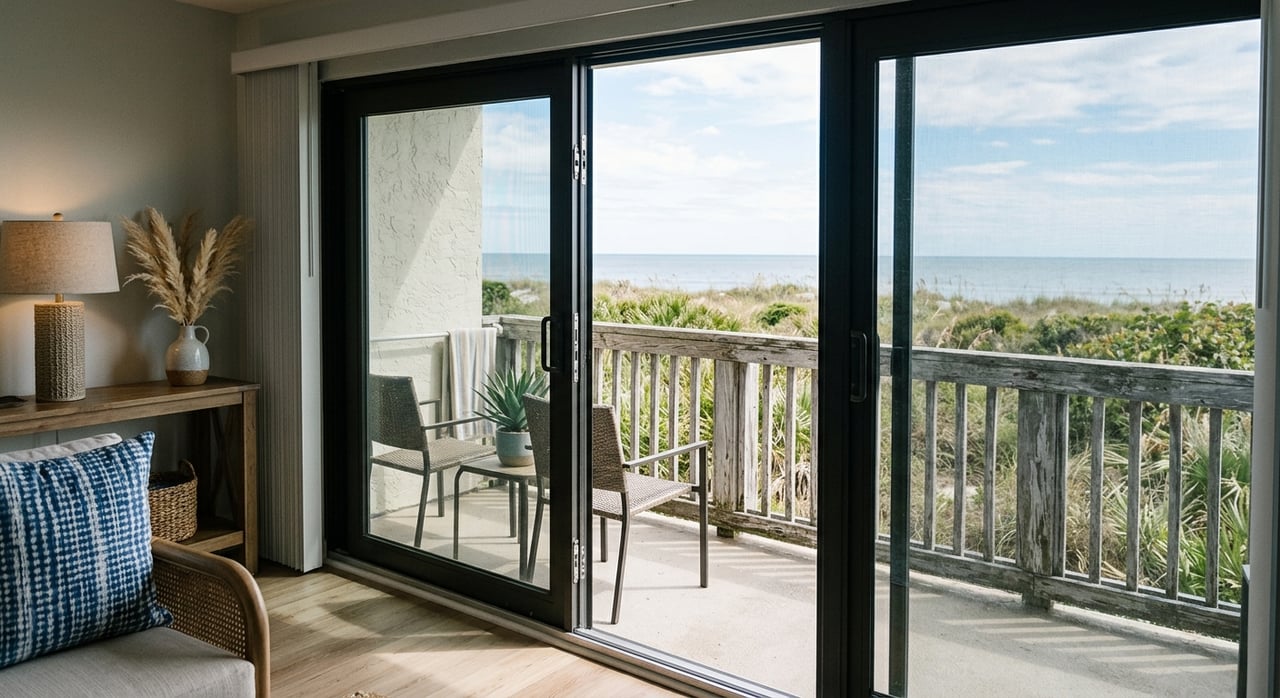
Buying an Oceanfront Condo in Juno Beach: What to Know
April 2, 2026
April 2, 2026
Buying an oceanfront condo in Juno Beach can feel like a dream move, but it is also a purchase that asks you to look beyond the view. If you are searching for a seasonal getaway, an investment property, or a full-time coastal home, you need to understand how the building functions, what the association is responsible for, and where your costs could change over time. The good news is that with the right due diligence, you can move forward with far more confidence. Let’s dive in.
Juno Beach is a very small coastal town, and the town’s annual report describes it as a place bordered by the Intracoastal Waterway on one side and the Atlantic Ocean on the other. That setting is a big part of the appeal, especially if you want direct beach access and a lock-and-leave lifestyle. It also means oceanfront buildings face more exposure to storm surge, waves, erosion, and salt-related wear than inland properties.
That coastal exposure affects more than the unit itself. In an oceanfront condo, you are also buying into the condition and upkeep of the building envelope, roof, balconies, windows, waterproofing, exterior finishes, and shared systems. Under Florida condominium law on maintenance responsibilities, those shared components can directly affect your ownership costs and your day-to-day experience.
It is easy to fall in love with the floor plan, finishes, or ocean views. Still, in Juno Beach, the real story often starts with the building’s physical condition and financial planning. A beautifully updated interior does not tell you whether the association is preparing well for major repairs.
That is why you want to review how the building handles long-term maintenance, inspections, and reserve funding. In coastal condos, deferred maintenance can become expensive faster because salt air and weather exposure can accelerate corrosion and wear. A condo purchase here is both a home purchase and a shared financial commitment.
One of the most important steps before buying an oceanfront condo in Juno Beach is reviewing the condominium documents as early as possible. Under Florida Statute 718.503, a nondeveloper seller must provide key documents to a prospective buyer, including the declaration, articles of incorporation, bylaws, rules, annual financial statement, annual budget, and FAQ document.
Depending on the building, the seller may also need to provide the milestone inspection summary, the most recent structural integrity reserve study, and any applicable turnover inspection report. These are not just formalities. They help you understand how the association operates, what repairs may be coming, and whether there are known structural or funding concerns.
A smart buyer will try to get these documents before making an offer, or at minimum during the inspection period. This gives you time to understand whether the condo fits your goals as a low-maintenance second home, income-producing asset, or primary residence.
Before you move forward, ask for these items:
According to the Florida Department of Business and Professional Regulation condominium FAQs, official records also include minutes, insurance policies, reserve studies, inspection reports, and financial records. Those records can give you a clearer picture of how the association is run and whether there are issues you should know before closing.
In an oceanfront condo, lifestyle and building rules matter more than many buyers expect. The association documents are where you will find details on rentals, pets, parking, storage, balcony use, renovation approvals, and exterior modification standards. Those rules can strongly affect whether the property works for the way you plan to use it.
For example, if you hope to rent the unit seasonally, renovate the interior, or keep beach gear in a certain area, you need to confirm what is allowed. Some buildings are more flexible, while others have tighter controls over owner use and alterations. Reviewing the documents early can help you avoid surprises after you are under contract.
Monthly condo dues are important, but the number alone does not tell the full story. In Florida, reserve planning is a major part of condo ownership, especially in older or coastal buildings. A lower monthly fee can sometimes mean the building is underfunding future repairs.
Under Florida Statute 718.112, certain condominium buildings must complete a structural integrity reserve study, or SIRS, at least every 10 years. The study must address items such as the roof, structural components, fire protection, plumbing, electrical systems, waterproofing, exterior painting, windows, and exterior doors, plus other qualifying items that affect those systems.
The same statute says reserve amounts in the budget must be based on the most recent SIRS. It also warns that waiving reserves or using reserve funds for other purposes can lead to unexpected special assessments. In simple terms, if a building has not been saving enough, owners may need to cover large expenses later.
Ask these questions before you make an offer:
Insurance is another area where oceanfront condo buyers need to be precise. Many buyers assume the association’s master policy covers everything in and around the unit. That is usually not the case.
Under Florida Statute 718.111, the association’s property coverage generally applies to original installed property and approved alterations, but it excludes many interior items within the unit. Floor, wall, and ceiling coverings, appliances, built-in cabinets and countertops, and window treatments are typically the unit owner’s responsibility.
That means you should review both the association’s coverage and the insurance you may need personally. You will want clarity on deductibles, interior coverage gaps, contents coverage, and any owner cost-sharing after a claim.
If you are considering an older oceanfront building, milestone inspections should be part of your due diligence. Florida’s milestone inspection law requires buildings that are three stories or higher to complete inspections by the end of the year they turn 30 years old, or 25 years old if they are within 3 miles of the coastline, with repeat inspections every 10 years after that.
For many Juno Beach oceanfront condos, that timeline matters. If a building’s certificate of occupancy was issued on or before July 1, 1992, the first inspection had to be completed by December 31, 2024. As a buyer, you should ask when the last inspection occurred, what the findings were, and whether any follow-up work is planned or underway.
Oceanfront living comes with unique environmental exposure, so flood and hazard questions should come up early in your search. According to FEMA’s flood map guidance, lenders generally require flood insurance for buildings in Special Flood Hazard Areas when the mortgage is federally backed. Coastal flood hazard areas are shaped by risks such as storm surge and waves, which are especially relevant near the ocean.
In practical terms, you should ask about the building’s flood zone, the association’s wind and flood coverage, and whether you need separate coverage for contents or improvements inside the unit. These details can affect both your ongoing costs and your comfort level as an owner.
Juno Beach buyers should also know that some beachside properties may face special permitting requirements tied to exterior lighting and window work. According to the town’s sea turtle lighting permit information, properties within 600 feet landward of the mean high water line are in the Sea Turtle Protection Zone.
That means new or modified exterior lighting, and some window work with line-of-sight to the beach, can require permit review. Town materials also note that beachfront property owners are expected to minimize lighting visible from the beach during sea turtle nesting season. If you are planning updates, this is worth confirming before closing.
For many buyers, the appeal of an oceanfront condo in Juno Beach is easy to understand. You may get direct beach access, less personal responsibility for exterior upkeep, and a simple lock-and-leave setup that works well for seasonal use. That can be a strong alternative to a single-family oceanfront home.
At the same time, condo living means shared decision-making, monthly dues, board oversight, and possible special assessments. There may also be more rules around pets, rentals, renovations, parking, and balcony use. The key is to understand those trade-offs before you buy, not after.
Before you make an offer, make sure you can answer these questions:
Buying an oceanfront condo in Juno Beach should feel exciting, but it should also feel informed. When you understand the building, the association, the reserve funding, and the coastal risks, you are in a much stronger position to buy wisely and enjoy the property with fewer surprises. If you want experienced guidance as you compare Juno Beach condos and evaluate the details behind the listing photos, connect with Brad Westover for senior-level local insight and personalized support.
Stay up to date on the latest real estate trends.


Real estate success starts with the right broker. Whether you're buying, selling, or investing, Brad Westover offers expert guidance, market insight, and a strategic approach. Let’s achieve your goals. Connect today!
GET IN TOUCH WITH BRAD TO LEARN MORE