Jupiter Condo vs House: How to Choose What Fits You
March 5, 2026
March 5, 2026
Is the low-maintenance ease of a condo right for you, or do you want the privacy and flexibility of a single-family home in Jupiter? You are not alone if you feel torn. Between costs, amenities, boating access, and new Florida condo rules, there is a lot to weigh. This guide walks you through the key tradeoffs, with local context to help you choose what fits your lifestyle and budget. Let’s dive in.
Jupiter sits in a mid to upper price band for Palm Beach County. Citywide measures place typical home values in the mid six figures, and the January 2026 median sale price for all home types was about $625,000, showing a softer market than the peak but steady activity. Prices and leverage still vary by micro-market: oceanfront towers, Intracoastal and river cottages, golf-course gated communities, and inland neighborhoods behave differently. Focus on neighborhood-level data as you compare options.
In Palm Beach County, single-family homes generally trade at higher medians than condos. Jupiter waterfront and golf communities can push prices higher, while inland neighborhoods and many condo communities offer lower entry points. Compare current neighborhood medians and recent comps rather than relying on citywide averages.
Condo dues cover shared services and can vary widely. In Jupiter, you might see monthly dues under a few hundred dollars in smaller complexes and more than $1,000 in full-service or oceanfront buildings. Example listings in newer communities show dues around $900 per month, with some luxury buildings higher. Always request the HOA budget and assessment history. A community with strong reserves can reduce the risk of large special assessments. For a sense of how dues look in a newer Jupiter townhome community, review an example of published fees on a builder marketplace for context like the Water Pointe community page on NewHomeSource.
Both condos and single-family homes in coastal Florida face wind and flood exposure. If the property is in a Special Flood Hazard Area and you have a mortgage, flood insurance is typically required. The National Flood Insurance Program generally has a 30-day waiting period before coverage starts, with limited exceptions. Review wind and hurricane deductibles and confirm availability and pricing early so you have a complete monthly budget.
Condo dues usually fund exterior and common-area maintenance: building envelope, roof or structural insurance on the master policy, landscaping, pools, elevators, and shared systems. Unit owners typically carry an HO-6 policy for interior finishes and contents, often with loss-assessment coverage. Ask whether the association’s master policy is “bare-walls” or “walls-in,” and review deductibles and coverage limits so you can size your personal policy correctly.
With a single-family home, you control your property and pay for most exterior items yourself. That may mean lower monthly HOA fees, but you assume variable costs for the roof, exterior paint, landscaping, pool equipment, driveway, and larger capital items. If a home is in a planned community that includes lawn care or exterior painting, verify what is included and how often services occur.
Condos can deliver a true lock-and-leave lifestyle: on-site pools, gyms, social rooms, and sometimes concierge services. Locations are often walkable to beaches, parks, and dining. This appeals to many second-home buyers and frequent travelers.
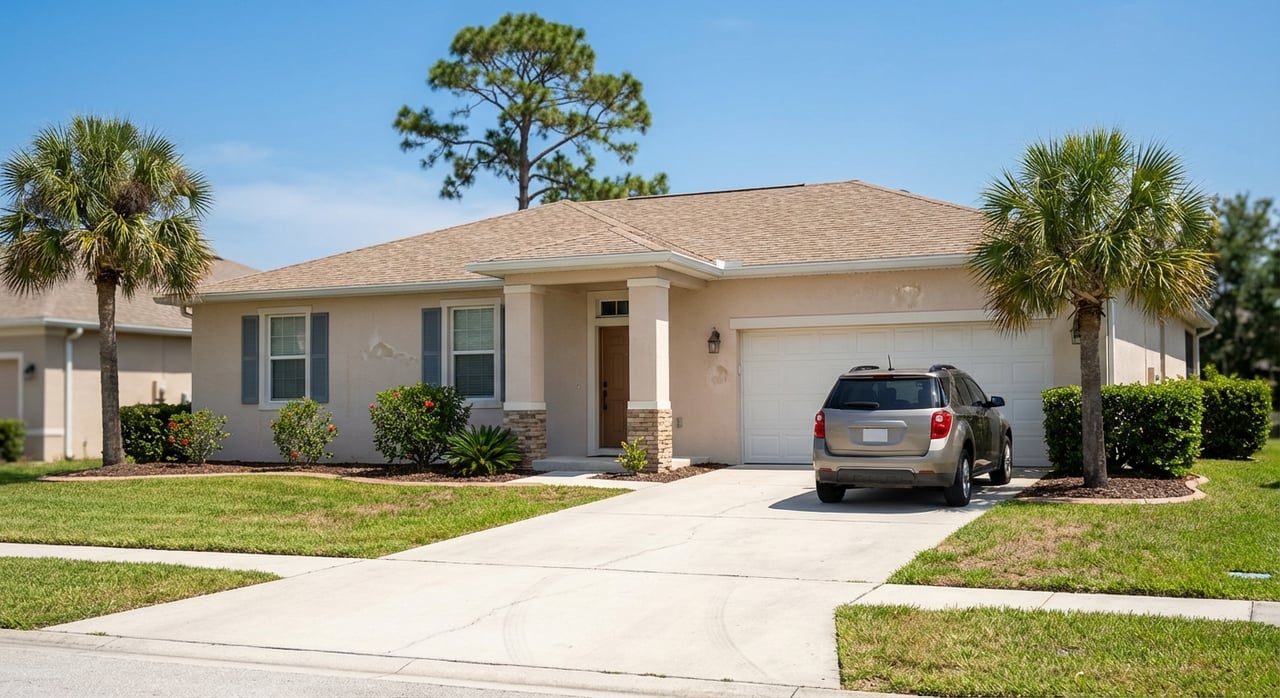
Single-family homes prioritize privacy, yard space, storage, and flexibility for outdoor living. If you want a fenced yard, a workshop, or room for gear, a home often fits better. Always check HOA rules for parking, trailers, or exterior modifications so your plans align with community standards.
Many lenders require that condo projects meet FHA, Fannie Mae, or VA standards. If a community lacks approval or has project-level issues such as low reserves or litigation, financing choices narrow and the future buyer pool may shrink. If you are considering an FHA loan, review how FHA-approved projects and single-unit approvals work through this overview: FHA-approved condos.
After Surfside, Florida strengthened condo safety rules. Multi-story buildings must complete milestone structural inspections and fund reserves under a Structural Integrity Reserve Study. Buyers should verify whether a building has completed required inspections, what was found, and how reserves are being funded. Learn more from the state statute pages for F.S. 553.899 and F.S. 718.112.
Rental rules vary widely across associations and can change. Florida statutes provide certain protections for existing owners when associations adopt new rental limits, with specific carve-outs. If you plan to rent seasonally, review the current rules before you write an offer. A helpful primer on how Florida associations approach rental restrictions is here: restricting rentals in condos and HOAs.
Jupiter is a boating hub with Intracoastal and ocean access. If time on the water is part of your plan, include boat storage and access in your decision.
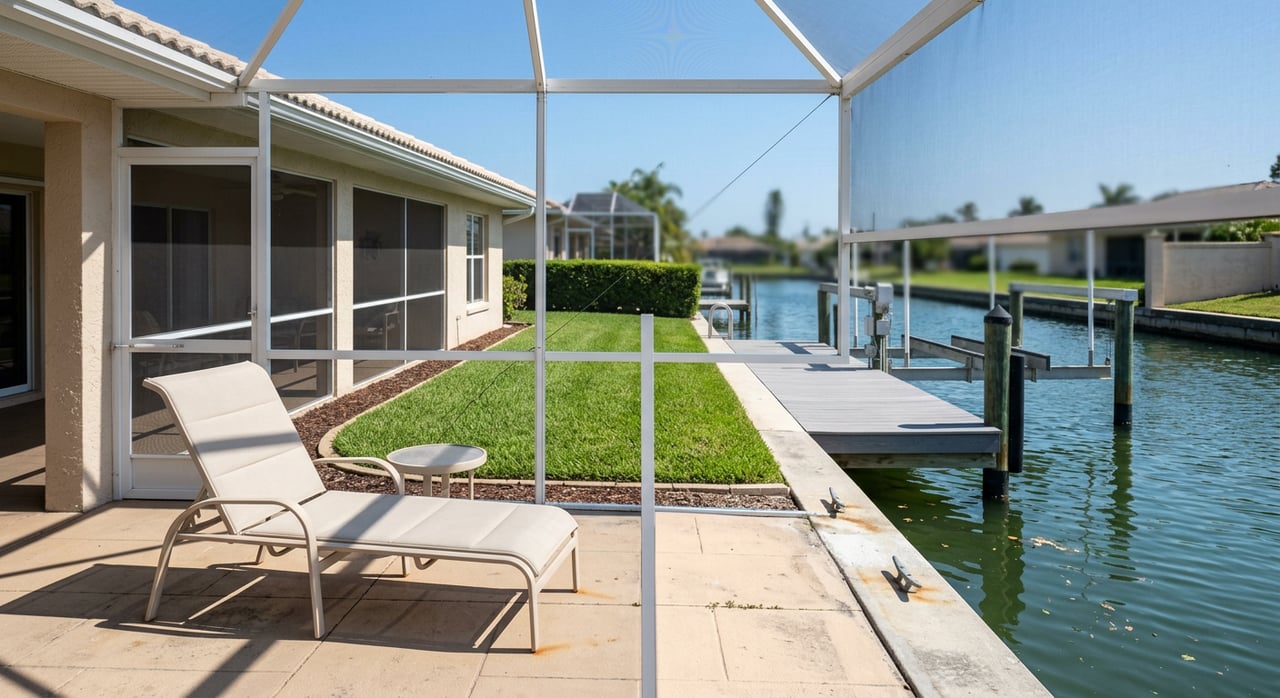
Some single-family waterfront homes and a handful of low-rise condo communities offer private docks or lifts. The Town of Jupiter requires permits for docks and boatlifts. Always verify permit history, seawall condition, and compliance. You can review local permitting guidance through the town’s FAQ portal: Town of Jupiter dock and lift permits.
Several local communities and operators offer wet slips and services. For example, you can research availability and operations at a public facility like Loggerhead Marina – Jupiter. If a community offers slips, ask if they convey with the property or require separate membership.
Wet slip and dry-stack pricing varies by boat length, facility, and season. In coastal South Florida, rates often run from several hundred dollars to more than a thousand dollars per month. Review a national owner’s guide for typical ranges and budgeting tips here: boat ownership cost overview. Call local marinas for live quotes and waitlist details.
If you plan to trailer, Palm Beach County operates public ramps and has an annual or daily boat-trailer parking permit system. Read the county’s current rules and fees here: boat-trailer parking permits. Note that most public lots do not allow overnight trailer storage.
Use this short list to compare specific properties and avoid surprises:
Start with your lifestyle: time on the water, yard needs, travel schedule, and desire for amenities. Next, build a full cost picture that goes beyond purchase price: dues, insurance, reserves or assessments, maintenance, and any boating or storage fees. Finally, reduce risk through documents and inspections so you are confident on day one.
If you want a clear side-by-side of specific Jupiter communities and how they fit your goals, reach out for a local strategy session. With two decades in Northern Palm Beach County and a focus on both luxury single-family and condo product, I can help you weigh tradeoffs and move with confidence. When you are ready, connect with Brad Westover to get started.
Stay up to date on the latest real estate trends.
Real estate success starts with the right broker. Whether you're buying, selling, or investing, Brad Westover offers expert guidance, market insight, and a strategic approach. Let’s achieve your goals. Connect today!
GET IN TOUCH WITH BRAD TO LEARN MORE