What Living on Jupiter Island in Martin County Feels Like
April 16, 2026
April 16, 2026
If you are drawn to coastal living but want something quieter than a typical beach town, Jupiter Island deserves a closer look. This is a place where privacy, nature, and a strong preservation ethic shape daily life more than retail, nightlife, or resort-style activity. When you understand how the island is laid out and what ownership feels like here, you can decide whether its understated rhythm fits the lifestyle you want. Let’s dive in.
Jupiter Island is a barrier island at the south end of Martin County, set between the Atlantic Ocean and the Intracoastal Waterway. According to the Town of Jupiter Island community profile, the town covers about 1,643 acres, includes nine miles of ocean frontage, and has a permanent population of about 820, with seasonal population closer to 2,000.
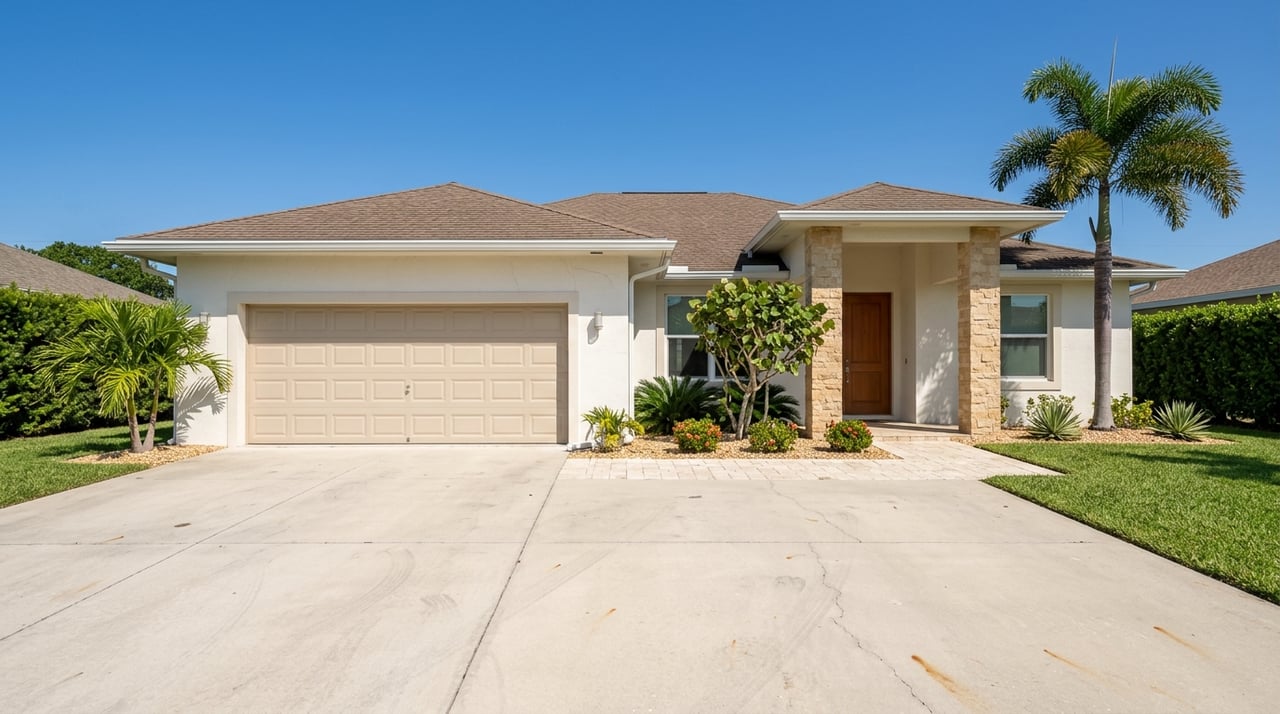
What stands out most is how intentionally low-density the island remains. The town describes Jupiter Island as a residential community made up primarily of single-family estates and conservation land, with only a small amount of commercial property serving residents. With just 705 taxable parcels, the setting feels limited in supply and highly estate-oriented rather than heavily built out.
Jupiter Island was incorporated in 1953, and its local history makes one theme clear: preservation has long guided the island’s development. Instead of growing through commercial expansion, the island evolved through restraint, land conservation, and a focus on protecting its natural character.
That history still shows up in everyday life. The appeal here is not built around busy corridors or constant activity. It is built around quiet roads, protected shorelines, and a setting that feels carefully managed over time.
For many buyers, that is the point. If you want a coastal address that values privacy and stewardship over volume and visibility, Jupiter Island offers a very specific experience.
Life on Jupiter Island is closely tied to the outdoors. You are not choosing this area for endless attractions packed into one place. You are choosing it for beach walks, boating, paddling, wildlife, and a natural setting that feels preserved instead of programmed.
On the north end of the island, the Nathaniel P. Reed Hobe Sound National Wildlife Refuge protects the largest contiguous stretch of undeveloped beach in southeastern Florida. The refuge also protects mangroves, sand pine scrub, and Indian River Lagoon habitat, and it is recognized as one of the region’s most productive sea turtle nesting areas.
Another defining landmark is Blowing Rocks Preserve. The Nature Conservancy describes it as a 73-acre barrier-island preserve with restored native vegetation, a rare Anastasia limestone shoreline, and nesting habitat for loggerhead, green, and leatherback turtles.
Just off the island, Jonathan Dickinson State Park expands your options even more. The park offers hiking, biking, paddling, equestrian trails, and boating on the Loxahatchee River, giving you access to a wide range of outdoor recreation without changing the area’s peaceful feel.
Even if a property is not directly on the water, boating is woven into the Jupiter Island lifestyle. The island’s position between the ocean and the Intracoastal Waterway naturally supports a routine that can include dockage, day trips, fishing, and time on open water.
The Jupiter Inlet District notes that the inlet offers direct access to the Intracoastal Waterway and easy offshore access for boating, fishing, and diving. Nearby waters, including the Loxahatchee River and surrounding aquatic areas, also support wildlife viewing and casual cruising.
For buyers who picture coastal living as something active and water-connected, this matters. Jupiter Island supports that vision while still feeling far more residential and low-key than many South Florida waterfront communities.
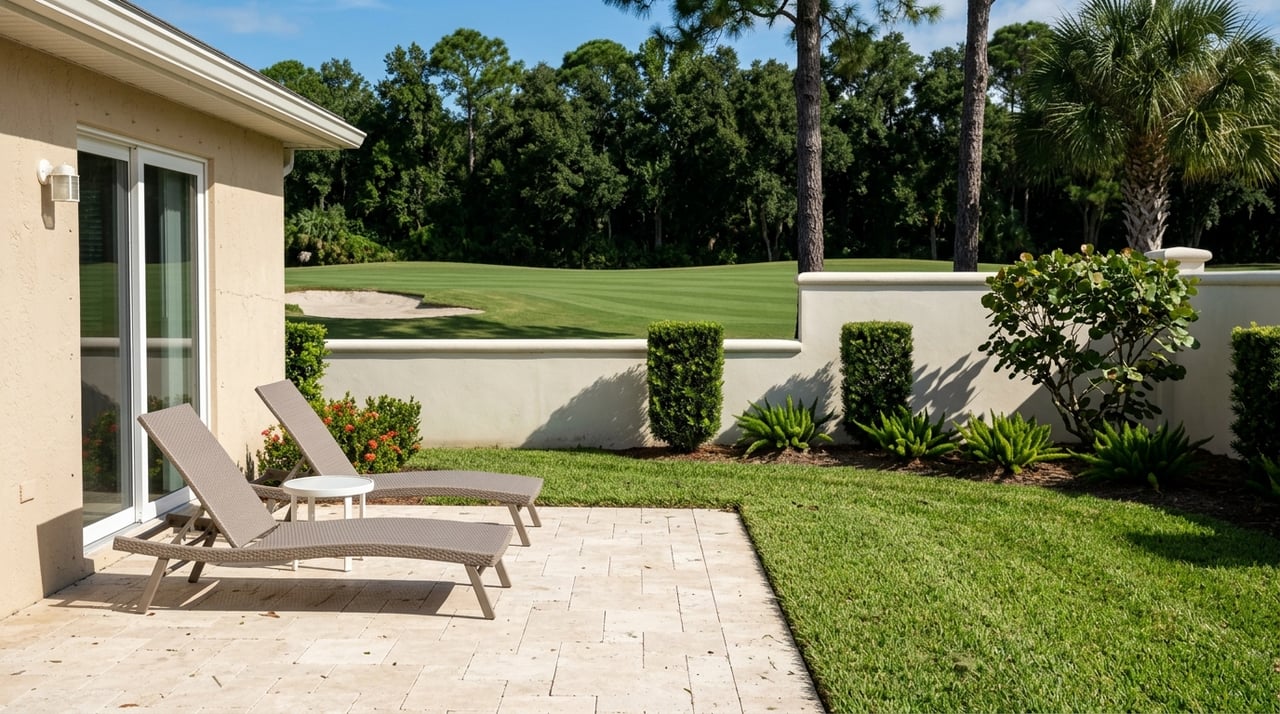
Golf has long been part of the island’s identity. The town’s history page traces local golf back to the 1890s, with the modern nine-hole course built in 1922 and a second nine completed in 1957.
Beyond the island, Martin County offers additional options for players who want variety. Discover Martin County highlights public and semi-private golf opportunities in nearby communities, including Hobe Sound and Stuart.
Dining is more understated on the island itself, so many residents head to nearby Hobe Sound or Stuart for restaurants, casual outings, and local shopping. Hobe Sound offers eateries, galleries, and small-town commercial areas, while Stuart adds a more active downtown and riverfront setting.
That balance is a big part of the appeal. Home feels quiet and residential, but you are still close to places where you can enjoy dinner out, browse local shops, or spend an evening away from the island.
Jupiter Island may feel tucked away, but it is not disconnected from arts and history. For many residents, nearby Stuart serves as the primary cultural hub.
Discover Martin County’s arts and history guide highlights destinations such as the Court House Cultural Center & Gallery, the Elliott Museum, the Lyric Theatre, and local events tied to downtown Stuart and the Creek District. These outings give you access to exhibits, performances, and community events without changing the island’s calm residential feel.
South of the island, the Jupiter area adds more historic interest through the Jupiter Inlet Lighthouse & Museum, which is noted as a destination for guided tours, exhibits, and programming. In practical terms, that means living on Jupiter Island does not require giving up culture. It simply means your home base stays much quieter.
Ownership on Jupiter Island is best understood as a preservation-oriented coastal experience. Most land is devoted to single-family residential use or conservation, and that shapes everything from privacy to daily traffic patterns to long-term expectations.
It is also important to understand that shoreline protection is part of normal civic life here. The town’s Beach Protection information explains that Jupiter Island has a dedicated Beach Protection District funded through an erosion tax, and that it oversees one of the longest-running beach nourishment programs in the United States.
That does not make the island feel overly engineered. Instead, it reflects how seriously the community treats stewardship of its shoreline and long-term coastal environment. For buyers considering a primary or seasonal home, that context is part of responsible ownership.
Jupiter Island is not trying to be everything for everyone. It is not a mixed-use resort town with constant activity just outside your door. It is a quiet, highly managed, low-density coastal enclave where privacy, nature, and limited supply drive the experience.
That can be a major advantage if you want a home base that feels removed from congestion and commercial sprawl. At the same time, you should expect to rely on nearby Hobe Sound, Stuart, and Jupiter for more dining, shopping, and entertainment options.
If that tradeoff sounds appealing, Jupiter Island stands out as one of the more distinctive coastal lifestyles in the region. Its character comes from what has been protected as much as from what has been built.
If you are exploring Jupiter Island as a primary home, seasonal retreat, or long-term real estate investment, working with a seasoned local advisor can help you understand the nuances behind the address. Connect with Brad Westover for personalized guidance on Jupiter Island and nearby coastal markets.
Stay up to date on the latest real estate trends.
Real estate success starts with the right broker. Whether you're buying, selling, or investing, Brad Westover offers expert guidance, market insight, and a strategic approach. Let’s achieve your goals. Connect today!
GET IN TOUCH WITH BRAD TO LEARN MORE